“Water Resistant 30M” is the single most misread spec on a watch — most buyers see “30 metres” and assume it means safe to swim in. It doesn’t. Water resistance ratings are tested under static lab pressure, not the sudden pressure changes and temperature swings of real use, so the practical safe zone for each rating is narrower than the number suggests. Here’s what each rating actually covers, and which one you need for how you actually live.
Every figure below assumes a new watch with intact gaskets, tested in still water. Gaskets harden and shrink over 1-2 years, so a 5-year-old “100M” watch may no longer perform like one. If a watch has ever been opened for a battery change, get the water resistance re-tested before trusting it near water again — most local watch shops offer a pressure test for a small fee.
No Rating / “Water Resistant”
A watch marked simply “Water Resistant” with no meter or ATM figure carries no tested pressure rating at all — the label is a legal minimum, not a spec. In practice this covers light moisture only: a few drops of rain, a bit of sweat, incidental contact.
Safe for: keeping dry desk use, brief rain exposure. Not safe for: washing hands with the watch on, showering, swimming, or any submersion. Treat it the same as a watch with no water resistance claim at all.
30M / 3 ATM
This is the most common rating on budget quartz watches, and the most misunderstood — “30 metres” reads like a depth you could safely dive to, when it actually means the watch was tested to withstand pressure equivalent to 30 metres of static water, in a lab, with the watch not moving. Real-world splashes, rain, and hand-washing generate comparable or higher pressure spikes.
Safe for: rain, splashes, sweat. Not safe for: swimming, showering, or submerging the watch under a tap. Most of the watches in our under ₹1,000 buying guide sit at this rating — fine for daily wear, but leave them on the sink edge before you shower.
50M / 5 ATM
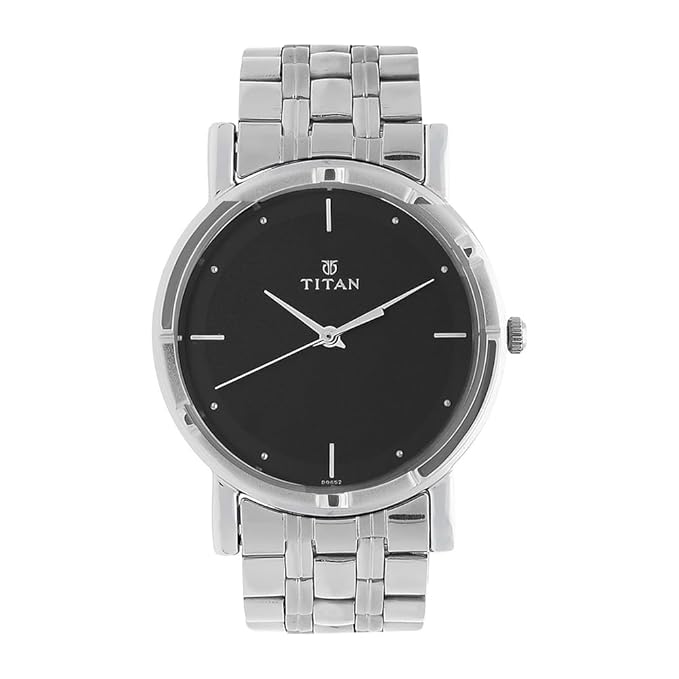
50M is where a watch becomes genuinely splash-proof rather than just splash-resistant. It’ll handle hand-washing, rain, and a quick rinse without a second thought. This is the standard rating on most mid-range everyday watches from brands like Titan and Fastrack — comfortably enough for daily wear without babying it.
Safe for: hand-washing, rain, a brief shallow swim in a pool (not recommended as routine use, but survivable). Not safe for: a hot shower — the heat expands the air trapped inside the case and can force water past the gaskets — or any diving. Several picks in our Titan buying guide sit at this level.
100M / 10 ATM
This is the first rating where “swim in it” stops being a stretch. 100M watches are built for actual water sports — laps in a pool, snorkeling on the surface, a day at the beach — with enough margin that ordinary swimming strokes and jumping in don’t come close to the tested limit.
Safe for: swimming, snorkeling, surfing, showering. Not safe for: scuba diving or high-board diving, where sustained depth pressure and rapid pressure changes exceed what the rating covers. Our Casio Royale (AE-1200WH) review covers a well-known 100M digital that holds up to genuine daily water use, not just the spec sheet.
200M+ / Dive Watches
200 metres and above is dive-watch territory, but the meter figure alone isn’t the full story — a genuine diver’s watch is also certified to ISO 6425, which tests things a plain water-resistance rating doesn’t: magnetic resistance, strap security, legibility underwater, and a unidirectional bezel that can’t accidentally extend your dive time. A watch can be rated 200M without carrying that certification.
Safe for: recreational scuba diving, snorkeling, all swimming and water sports. Worth checking before you actually dive: whether the watch is ISO 6425-certified, not just rated to depth. Our rugged dive watches under ₹30,000 guide covers several tested options at this level.
| Rating | Rain / Splashes | Showering | Swimming | Diving |
|---|---|---|---|---|
| No rating | Light only | No | No | No |
| 30M / 3 ATM | Yes | No | No | No |
| 50M / 5 ATM | Yes | Not hot water | Brief, shallow only | No |
| 100M / 10 ATM | Yes | Yes | Yes | No |
| 200M+ (ISO 6425) | Yes | Yes | Yes | Recreational scuba |
Which Rating Do You Need?
Buy for the wettest thing you’ll actually do in the watch, not the driest — the cost difference between 50M and 100M is small, and it removes the “should I take this off” hesitation every time you’re near water.
No rating or 30M
Fine for daily wear if you’re careful about rain and never wash your hands with it on.
50M
Covers hand-washing and rain without a second thought — the sensible minimum for most men.
100M
Built for exactly that. No need to remember to take it off before a pool or a shower.
200M+, ISO 6425
Check for the dive certification specifically, not just the depth number on the caseback.
One habit that matters more than the rating: never press a chronograph pusher or unscrew a crown underwater, even on a 200M watch — that’s how water gets past seals that would otherwise hold. And rinse the watch in fresh water after any exposure to saltwater or chlorine; both degrade gaskets faster than plain water does.
Case size also affects how a watch actually wears once it’s wet on your wrist — see our complete watch size guide if you’re choosing between case diameters. And if you’re still deciding between a quartz and an automatic before you factor in water resistance, our movement type guide covers that first.